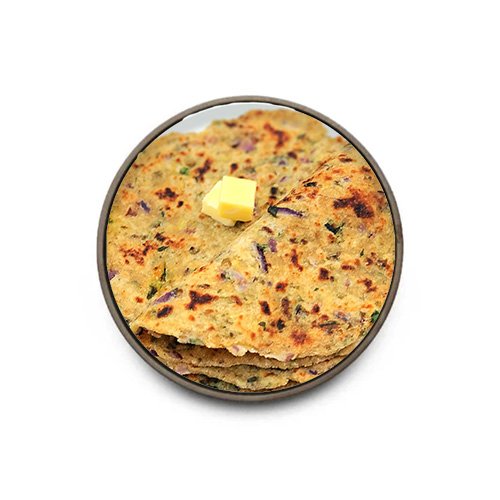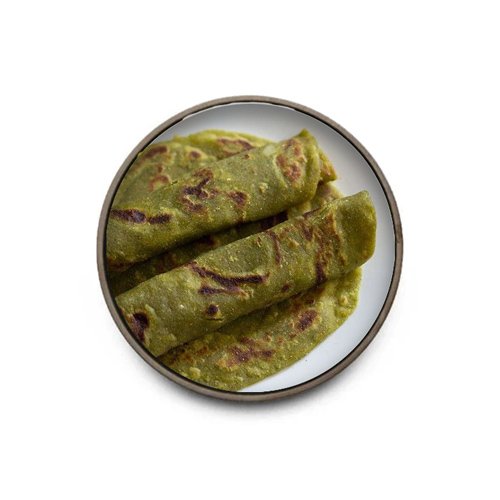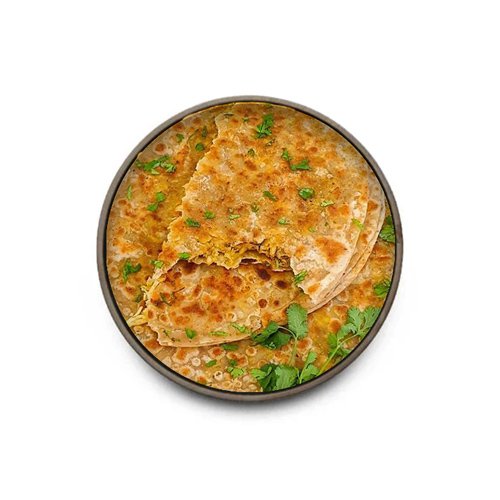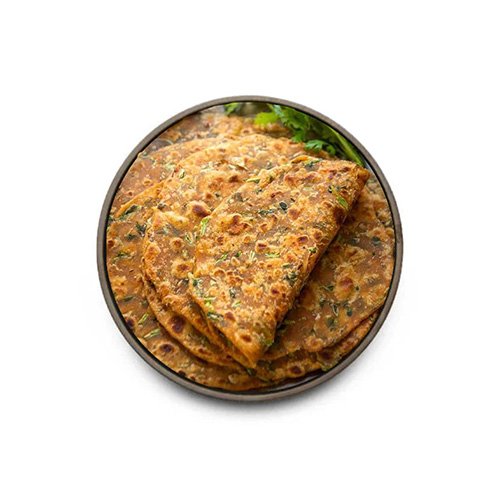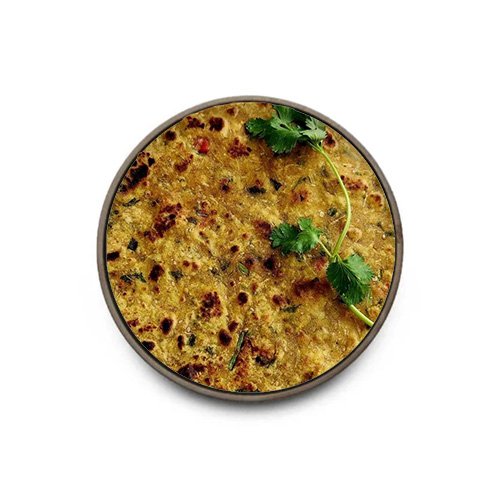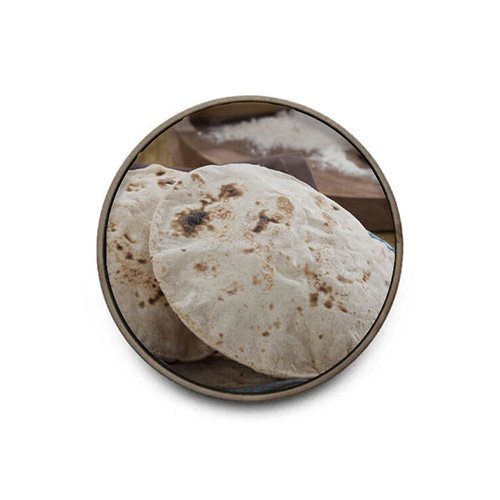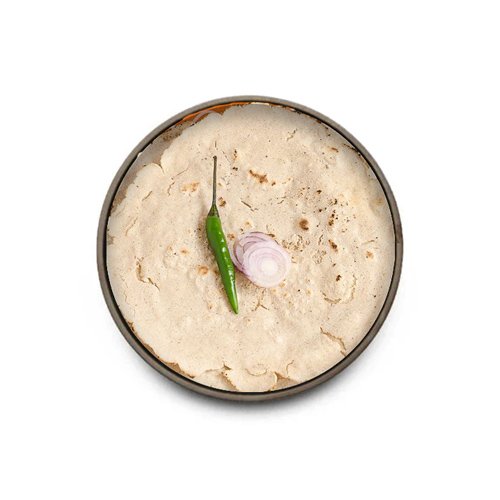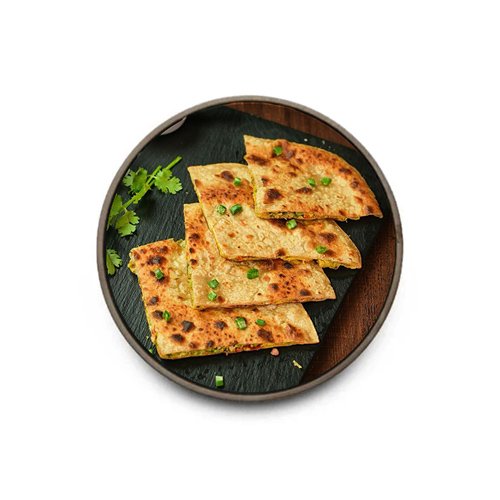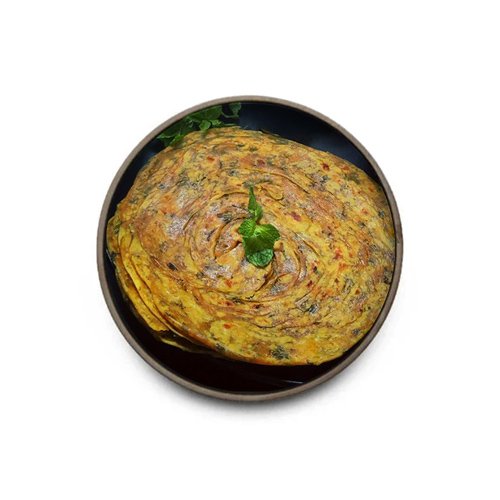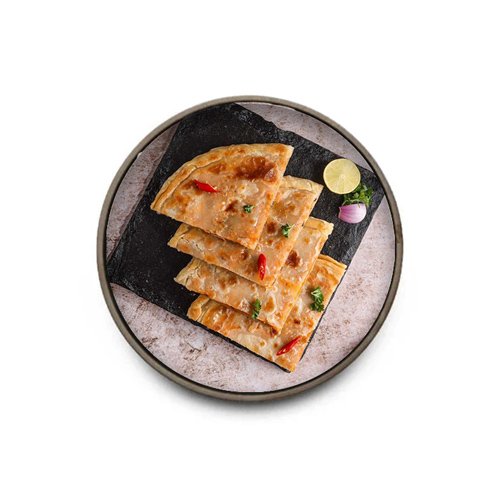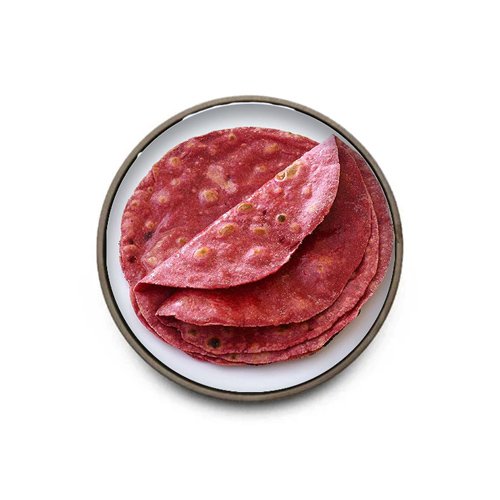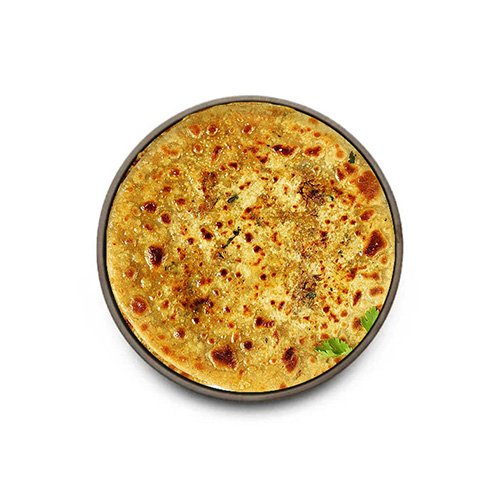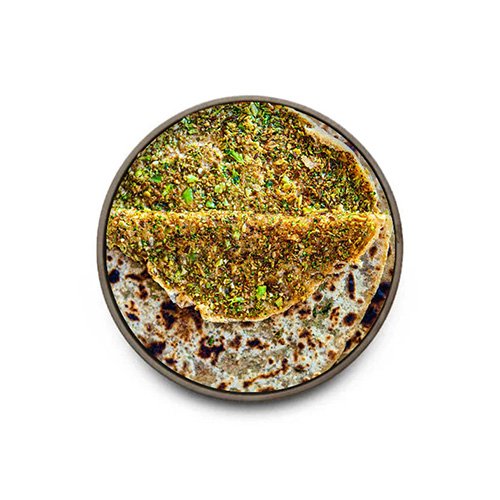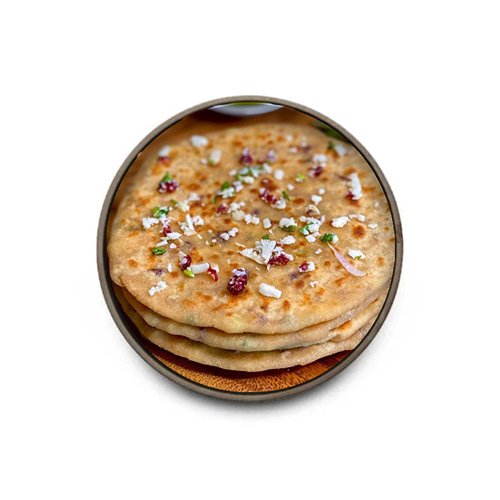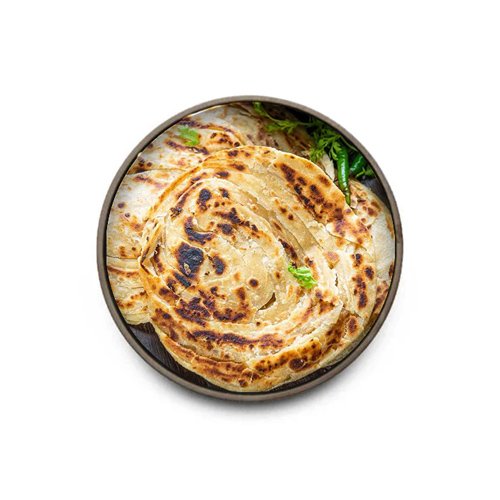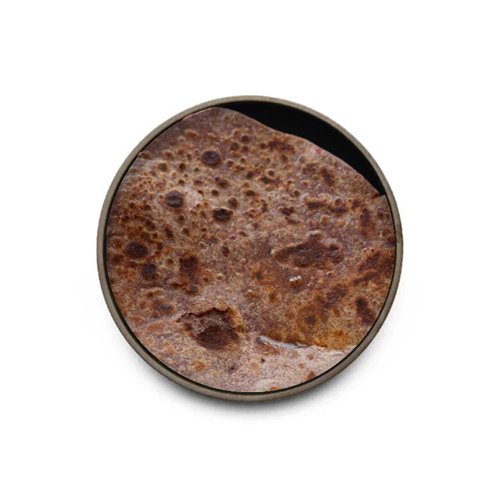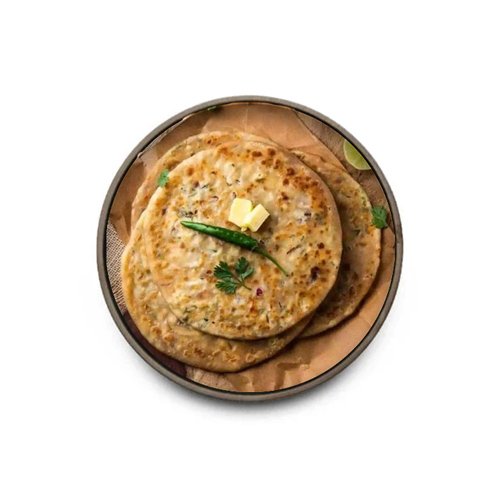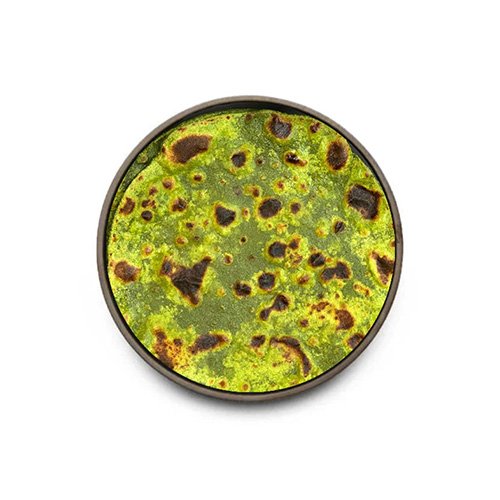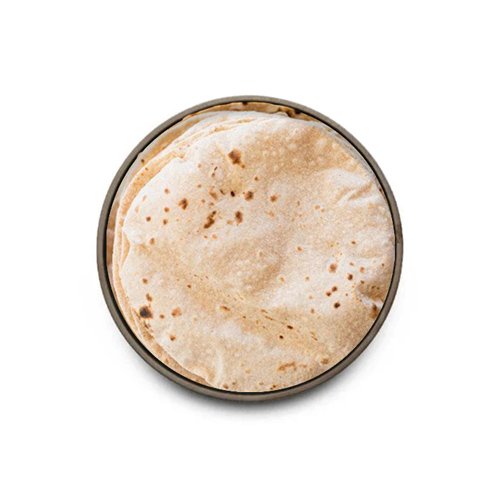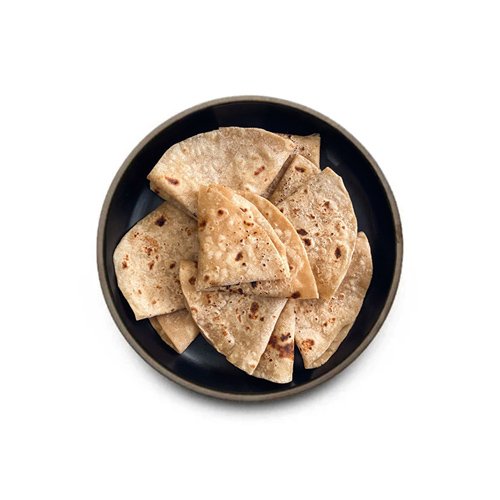
Our everyday Roti (Chapati/Phulka) is made with premium atta, kneaded soft and rested for optimal puff. Each roti is hand-rolled, cooked on a tava, then flame-finished for a light, layered phulka. By default we brush no oil/ghee (Blue/Fit). Add-ons like ghee or butter are optional. For steadier sugars and better satiety, choose Small (phulka) or Multigrain/Millet (jowar/bajra/ragi) variants and pair with a protein (dal/paneer/chicken/fish) plus salad/raita.
Nutrition (est., no oil):
-
Small Phulka (5–6″): ~70–85 kcal • ~12–14 g carbs • ~2–3 g protein • ~1–2 g fat
-
Regular Roti (7–8″): ~110–130 kcal • ~18–22 g carbs • ~3–4 g protein • ~2–3 g fat
If ghee/butter is added: +5–10 g fat per roti (approx.).
Diabetic/Blue note: Prefer Small/Multigrain/Millet rotis; keep no ghee. Pair with 150–200 g protein and non-starchy veggies to reach ~25–30 g protein/meal. Consider limiting rotis to one main meal on low-activity days.
Weight-loss tips (Blue/Fit):
-
Portion first: Start with 1–2 small phulkas; add more only after finishing protein + veg.
-
Lower-GI bases: Choose Multigrain/Millet or 50:50 atta+bran dough.
-
Keep it dry: Stay no ghee/butter (default); if needed, cap at ¼ tsp per roti.
-
Plate method: ½ plate non-starchy veg, ¼ protein, ¼ carbs (roti).
-
Lean pairings: Pick dry sabzis/grills/tandoori over creamy, potato-heavy gravies.
-
Timing: Early dinner (2–3 hrs before bed); consolidate carbs to one meal on sedentary days.
-
Dough upgrades: Add 1 tsp flaxseed meal or a pinch of psyllium for extra fiber.
-
Mindful eating: Chew well; wait 15–20 mins before seconds.
-
Flavor, not fat: Use ajwain/chilli/lemon instead of extra fat.
Local Names (Transliterated):
Hindi: Roti/Chapati/Phulka; Telugu: Rotti/Chapati; Tamil: Chapati/Phulka; Kannada: Chapati; Bengali: Ruti; Marathi: Poli/Chapati.